Unleashing Creative Worlds with Fantasy Book Clipart
There is a certain magic in a stack of ancient tomes, the glint of a mysterious symbol on a spine, or the whimsical arrangement of books that defies gravity. For designers, crafters, and content creators, capturing that enchanting essence is now effortless with Books Fantasy Clipart Illustrations. This comprehensive collection is not merely a set of images; it is a toolkit for building worlds, whether you are designing a book cover, planning a magical wedding invitation, or developing branding for a niche bookstore.
The Visual Character of the Collection
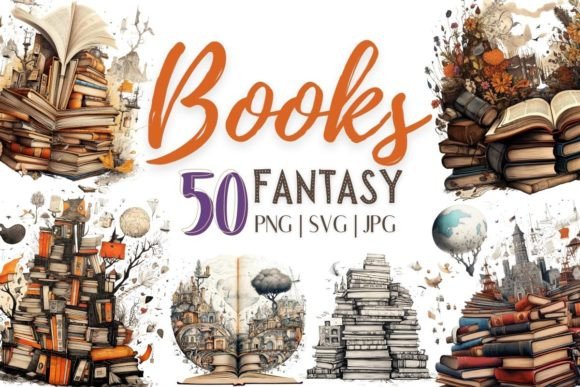
When you first open the Set of 50 Fantasy Books Illustrations, the immediate impression is one of detail and versatility. The visual style balances whimsy with a sense of mystery. You will find stacks of weathered leather-bound volumes, glowing grimoires, floating books surrounded by stardust, and volumes held together by chains or vines. The color palette leans into rich, deep tones—midnight blues, emerald greens, and antique golds—though many illustrations feature neutral tones that allow you to color-match them to your specific project needs.
The personality of this clipart set is inherently narrative. Unlike generic stock photos, these illustrations suggest a story. A stack of books with a glowing top hat suggests a magician's library; a floating book with celestial maps implies a scholar of the stars. This narrative quality makes the assets incredibly powerful for brand identity and packaging design. They allow you to evoke a specific mood—nostalgia, adventure, or arcane knowledge—without writing a single word of copy.
Practical Applications for Modern Creatives
The true value of these design assets lies in their file structure and adaptability. With 50 PNG / 50 SVG / 50 JPG files included, you are equipped for almost any medium. The PNGs feature a transparent background, which is essential for layering images in digital planners, social media graphics, or complex editorial design layouts. The 2000x2000 px dimensions and 300 dpi resolution ensure that whether you are printing on a massive banner or shrinking the image for a favicon, the quality remains crisp.
For the graphic designer working on logo design or brand identity for a publishing house or a creative agency, these illustrations serve as excellent supporting elements. Imagine a "About Us" page for an author website where these books frame the text, or a business card for a bookshop where a single, detailed stack of books acts as the focal point. Because the collection includes SVG files, you have the flexibility to scale these images infinitely for large-format printing or merchandise without pixelation, a crucial feature for professional commercial font and asset usage.
Digital Planning and Scrapbooking
The resurgence of scrapbooking and digital journaling has created a demand for high-quality, thematic stickers. This collection is perfect for creating custom sticker sheets for platforms like Goodnotes or Notability. The whimsical nature of the fantasy books makes them ideal for tracking reading goals, decorating monthly spreads, or adding flair to digital classroom materials. For physical crafters, these images are ready for sublimation art. You can print them onto mugs, tote bags, or t-shirts, creating unique merchandise for book lovers.
Print and Packaging Design
In the realm of packaging design, texture and theme are everything. If you are designing wrapping paper for a boutique gift shop, these seamless patterns of floating books or vintage stacks can create a high-end, artisanal feel. They work exceptionally well for textile design on book sleeves or library totes. For publishers, using these illustrations on the interior pages of a book—such as chapter headers or section dividers—adds a layer of professionalism and thematic consistency that elevates the reading experience.
Enhancing Visual Hierarchy and Brand Perception
Visual hierarchy guides the viewer's eye to the most important information first. When used as background elements or accents, these fantasy illustrations can anchor your layout. For instance, placing a translucent, low-opacity layer of these books behind a headline creates depth, making the typography pop. This technique is particularly effective in web design and social media graphics, where capturing attention in the first second is vital.
Consistency is key in branding. By utilizing the consistent style of this Books Fantasy Clipart Illustrations set across your platforms, you build recognition. A blogger might use a specific book stack from the set as a recurring motif in their newsletter headers. A marketer for a literacy non-profit could use the illustrations to create a cohesive campaign visual language. This repetition signals reliability and professionalism to your audience, reinforcing your brand identity every time they interact with your content.
Integrating Clipart with Typography
While the clipart provides the imagery, the typography provides the voice. Pairing these illustrations with the right typeface is critical. Because the fantasy books have an organic, often vintage aesthetic, they pair beautifully with serif fonts for a classic look or script fonts for a more romantic, whimsical vibe. However, do not shy away from sans serif fonts. A clean, modern typography choice can provide a striking contrast that makes the design feel contemporary rather than dated.
When choosing a premium font to accompany these assets, consider the x-height and weight. If you are overlaying text on a busy illustration, you need a typeface with good readability—perhaps a bold display font for headers and a legible handwritten font for accents. The goal is to ensure the text and image complement each other, creating a harmonious visual experience that engages the audience without overwhelming them.
Technical Considerations and Workflow
For the entrepreneur or small business owner managing their own design, efficiency is paramount. The fact that each file is saved separately means you do not have to waste time cutting out images from a collage. You simply drag and drop the PNG into your design software—be it Canva, Photoshop, or Illustrator—and start working.
The 300 dpi specification is particularly important for print. Many internet assets are 72 dpi, which looks fine on screen but turns into a blurry mess when printed. With this collection, you can confidently create invitations, flyers, or posters knowing the output will be sharp. This attention to technical detail separates amateur projects from professional-grade design work.
Ultimately, Books Fantasy Clipart Illustrations offers a blend of artistic charm and technical robustness. It empowers you to tell stories, build brands, and create physical products that resonate with a love for fantasy and reading. Whether you are a content creator looking to spice up your thumbnails or a designer building a full brand identity for a fantasy author, this set provides the foundational visual elements to make your vision a reality.